


Στρώματα Ύπνου Ορθοπεδικά ή Ανατομικά: Ποιο να Διαλέξετε για Έναν Πολυτελή Ύπνο
31.08.2026


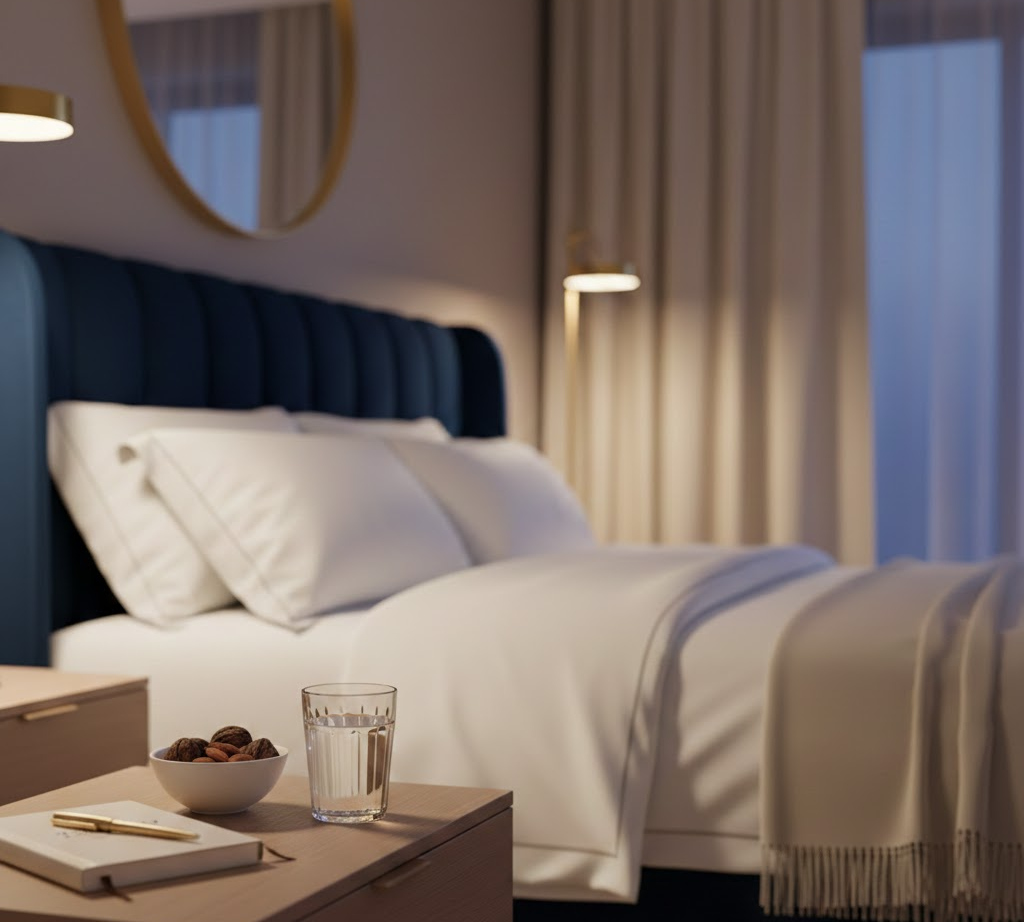
Sleep doesn't begin when we turn off the light—it begins in the morning, with our meal, and with our watch. The nutrition and the set meal schedule It is one of its most powerful «regulators» circadian rhythm, much more important than we realize.
When we eat the «wrong» foods or at the «wrong» times, we disrupt our body clock, which leads to difficulty falling asleep, frequent awakenings, and morning fatigue.
Even with an ideal meal plan, if you mattress If it doesn't allow you to stay in deep sleep, the benefits are lost. A high-end mattress maximizes the recovery phases:
Your sleep doesn't start in bed—it starts on your plate and on your watch. With consistent mealtimes and a mattress that keeps you cool, supportive, and undisturbed, sleep becomes truly rejuvenating.
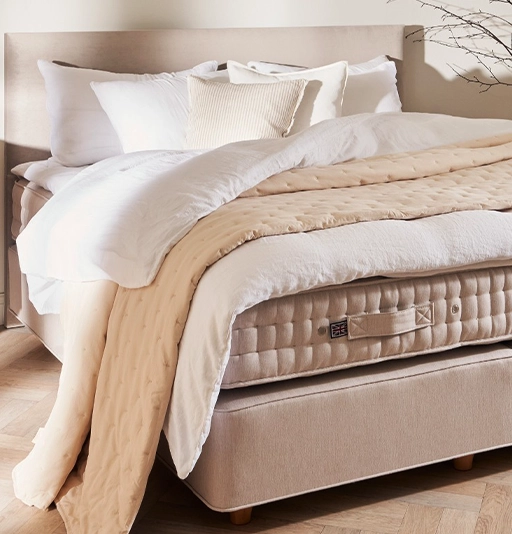
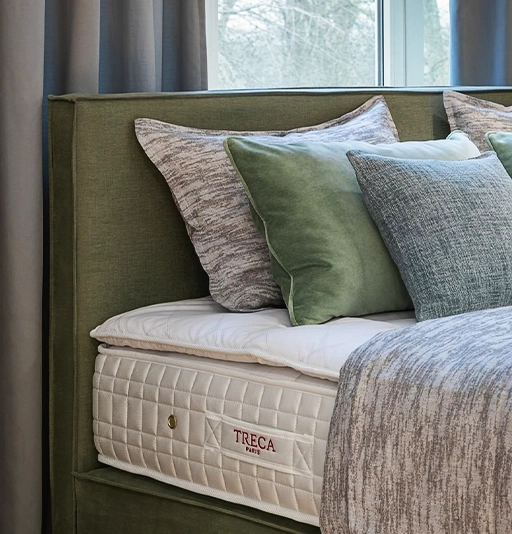
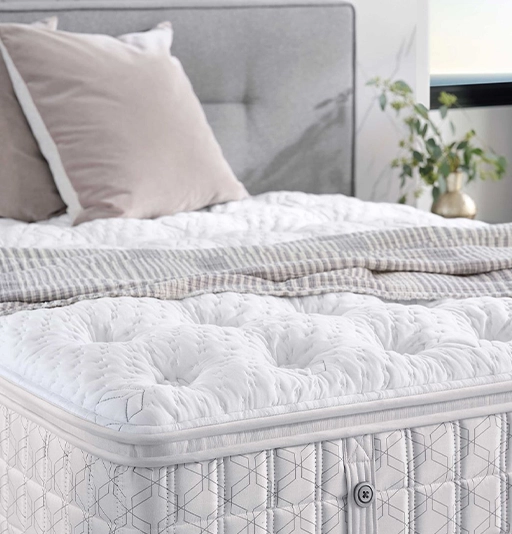
Come to the our showroom in the Southern Suburbs Try out Vispring, Treca Paris, Kluft, Aireloom, and Simmons Beautyrest mattresses—and experience how a premium mattress «complements» your healthy diet.

To provide the best possible experience, we use technologies such as cookies to store and/or access information on your device. Consenting to these technologies will allow us to process data, such as browsing behavior or unique identifiers, on this website. Failure to consent or withdrawal of consent may negatively affect certain features and functionality.
Your cart is currently empty!


