


Στρώματα Ύπνου Ορθοπεδικά ή Ανατομικά: Ποιο να Διαλέξετε για Έναν Πολυτελή Ύπνο
31.08.2026


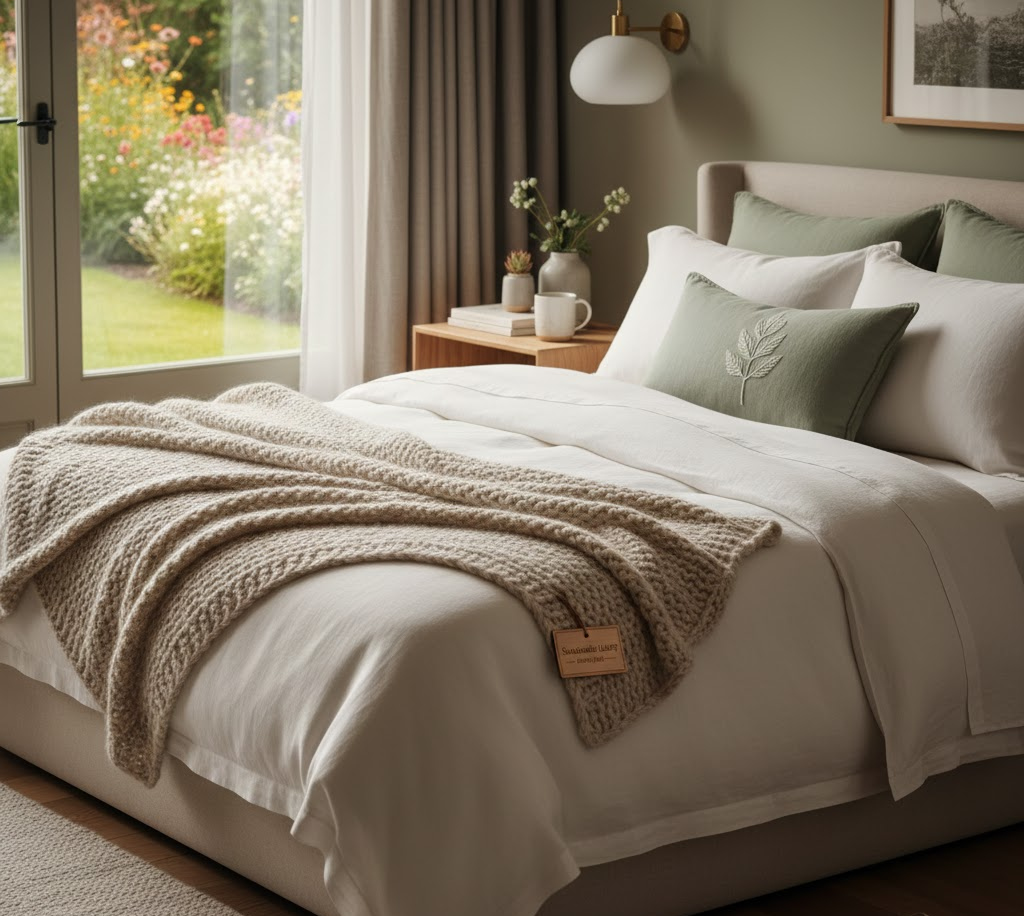
In her world sustainability, the greatest environmental impact does not come from the materials used, but from how often we replace our products. One a mattress that lasts 25+ years It's not just a luxury; it's the most radical, eco-friendly decision anyone can make today.
Most mainstream groups (memory foam, latex, low-quality pocket-spring mattresses) have an average lifespan of 7–10 years. This means that over the course of 30 years of sleep, a person might buy 3–4 mattresses. Every time we throw away a mattress:
A mattress that lasts 25 years reduces this cycle by 60–75%. Fewer layers equal less waste, less mining, less energy, smaller carbon footprint.
The mattresses that are manufactured using high-quality natural materials and traditional techniques have been shown to last for decades:
Result: Many owners of these mattresses report that even after 20–30 years, the mattress still provides comfort and support—often all it needs is a new topper or rotation.
In addition, the layers that are made from natural materials At the end of their life cycle, they are much more easily biodegradable or recyclable than synthetic foams.
True sustainable luxury isn’t found in a «green» label on a product; it’s found in choosing an item that you won’t need to replace for the rest of your life. A 25-year-old mattress isn’t just about better sleep.
It means a smaller environmental footprint, less waste, and the knowledge that your investment won’t burden the planet for future generations.
In a world full of fast-furniture and fast-everything, the most eco-friendly choice is to buy once, and do it right. A 25-year-old mattress isn't a luxury. It's a responsibility. And it's the smartest way to sleep well, with a clear conscience.

To provide the best possible experience, we use technologies such as cookies to store and/or access information on your device. Consenting to these technologies will allow us to process data, such as browsing behavior or unique identifiers, on this website. Failure to consent or withdrawal of consent may negatively affect certain features and functionality.
Your cart is currently empty!


